

Is it healthy for your child to have an imaginary friend?
Many parents worry that their child’s imaginary friend is an unhealthy coping mechanism, ungrounded in reality, that will affect them negatively for the rest of their life. However, most children are or will be aware that their imaginary friend is not real.

Most teen suicides are preventable
No teen is immune to mental health struggles or other issues that can act as driving factors towards a suicide attempt. As a parent, even if you believe that you know everything about your child and what they go through daily, it isn’t usually obvious that they’re in pain or desperately in need of support.

How to stop being your own bully
What is your inner voice like? Does it judge you even when others don’t? Does it criticize everything you do? Does it tell you you’re not good enough? Does it try to convince you that other people secretly don’t like you? Though it seems like it isn’t a big deal, some of the most powerful words are the words we say to ourselves.

Why you should teach your son to be more “sensitive”
Does your child cry often and/or have difficulty moving past their emotions? Do they frequently get overwhelmed? Do they often struggle with trying not to cry when criticized or scolded? If the answer is yes for most or all of these, your child may be emotionally sensitive.

The importance of emotional intelligence
Emotional intelligence usually involves four abilities: a person’s self-awareness, their ability to self-manage, their social awareness, and their ability to manage relationships effectively. An emotionally intelligent child can perceive how their actions might make someone feel, they can show sympathy towards those feelings, grasp social cues, listen actively, and understand or accept the perspectives of other people.

Why you shouldn’t accuse your child of being selfish
Sometimes, out of impatience, frustration or anger, especially with children and teens, parents/guardians can let their emotions influence the language they use. “Sticks and stones may break my bones but words can never hurt me”…right?

Dealing with a toxic friendship
Is your friendship with someone starting to feel more and more like a burden? Does it cause you stress, anxiety, or senseless guilt?
You might be experiencing a toxic friendship!

Teaching children to recognize child grooming
When we imagine chid predators, most of us probably think of creepy old men and strangers that stare at children in a playground. However, this type of danger is not always so obvious.

What witnessing domestic violence can do to a child
Children and youth who are exposed to domestic violence experience emotional, mental, and social damage that can affect their developmental growth.
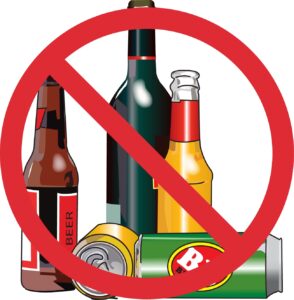
What you should know if you’re drinking while underage
Maybe you’ve tried alcohol once or twice yourself, whether because of curiosity, peer pressure, or because your parents let you have a little sip now and then. Though lectures from your parents or other adults about the dangers of alcohol can seem to get old pretty quickly, there’s a reason you should wait until you’re 18.

Warning signs for suicide in children and teens
Some signs of self-harming may be obvious, but some may be quite subtle. In some cases, you may not even know what your child is going through emotionally without communication. Here are some warnings to look out for.

What should you do if your child self-harms?
Self-harm is not very likely to stop after just one conversation, but open, non-judgmental communication with your child is a huge step in the right direction. Be patient and show them that you care.